Travel Tips and Advice for Your First Trip to Japan
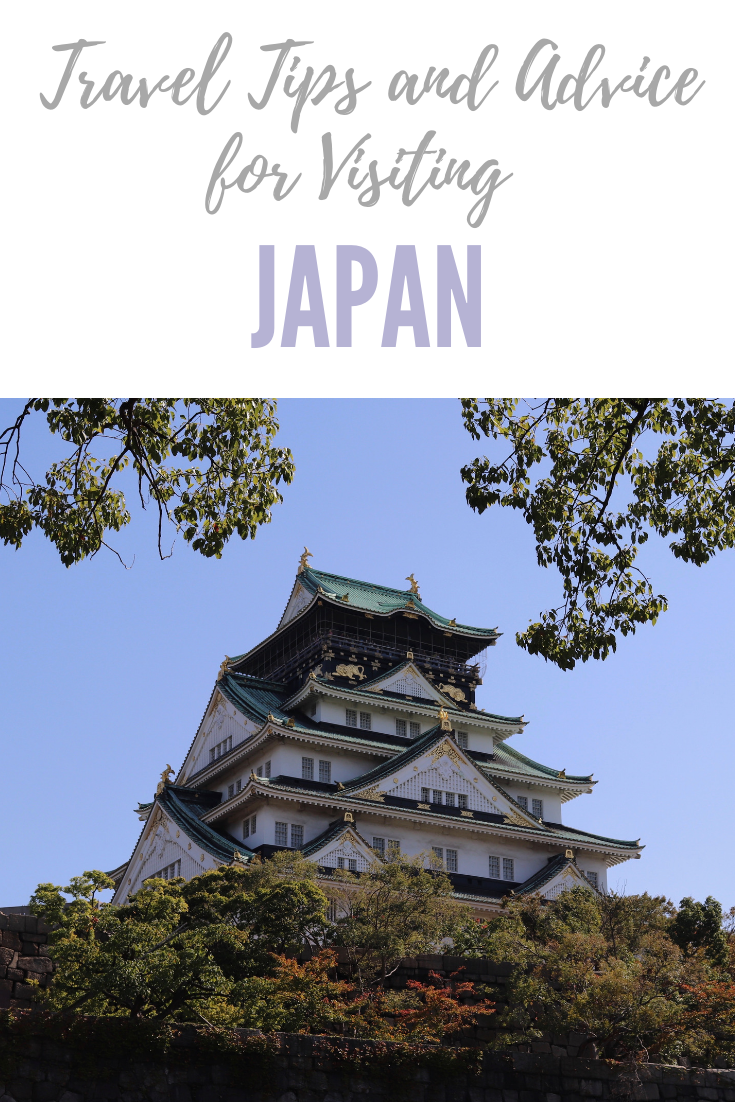
Visiting Japan for the first time can seem to be a daunting and overwhelming experience when planning your trip. Everything seems so new, so confusing and so different to what you’re used to and it feels like there is a lot of information to take in. However I am here to tell you that just by doing a little research before your trip and knowing some cultural differences, you will have an amazing time.
Japan is one of the best countries you will ever visit and once you get there, you’ll wonder why you were panicking so much. A little knowledge truly goes a long way (you never want to stand out for the wrong reasons) so here are all of my tips and advice for visiting Japan:

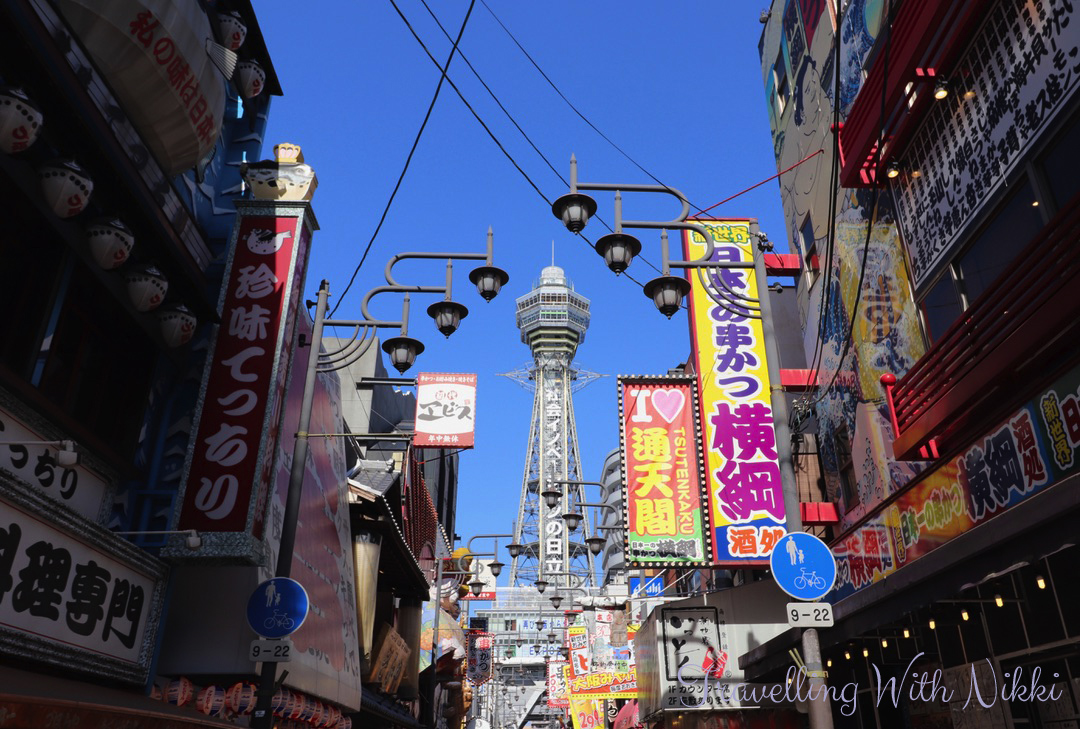
When to Visit Japan
When planning your trip to Japan, you will need to take account of not only the weather but for any potential public holidays that may fall during those dates. Whilst any amount of time spent in Japan is good, there are definitely better times to visit than others.
Japan has four distinct seasons and even during those, the temperatures will vary depending on what part of the country you are in. Winter can be freezing with snow whilst during the summer months, it will be rainy season as well as being hot and humid. The best times of the year to visit are Spring and Autumn as the temperatures are comfortable however there are times during Spring that can be very busy – especially when the cherry blossoms are in bloom.
There are many Public Holidays in Japan but the busiest are Golden Week in May, Obon in August and New Year in late December and early January. If you visit during these times, you can expect everywhere to be very busy, hotels to be expensive and public transportation to be very crowded.
If visiting Japan this year in 2020, remember that the Tokyo Olympic Games and Paralympic Games are taking place during July, August and September.

Book any Accommodation in Advance
Before arriving in Japan, make sure to have any hotels or ryokan booked as soon as possible (especially if travelling at busy times) as popular places do sell out quickly – one of the rooms I booked on my last visit sold out a few minutes after booking opened!
Rooms in Japanese brand hotels (also called business hotels) can be tiny and cramped so pick a western brand (such as Hilton or Sheraton) if you want to have more space – especially if there are two or more people sharing a room. Bed sizes in Japan can also be smaller than in other countries and you will notice that the mattresses are a lot firmer.
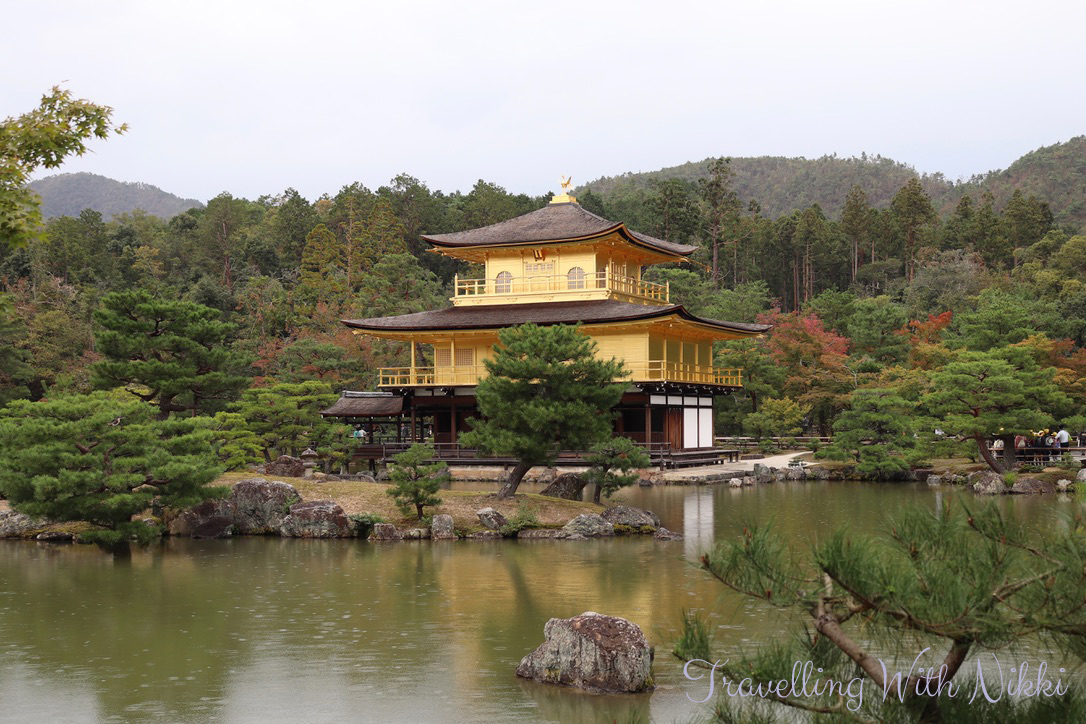
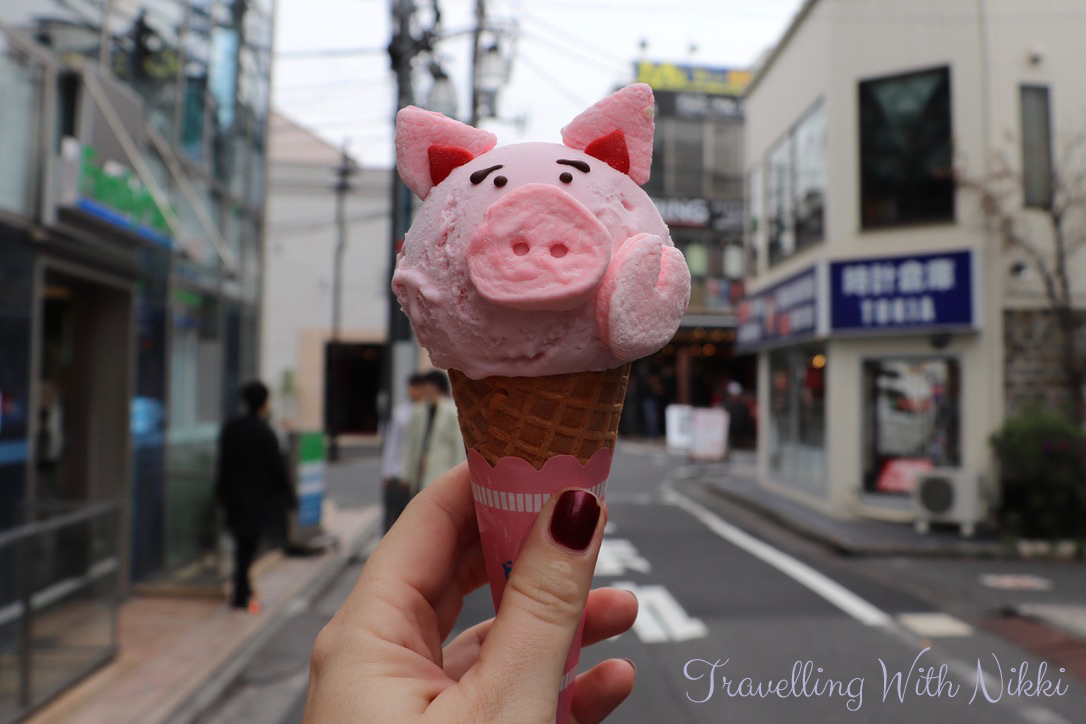
Learn Some Japanese
I think the biggest worry for most people about visiting Japan is the language barrier but the truth is it is not as big of an issue as it once was – especially since the Rugby World Cup and the upcoming Olympic Games this year. Important signs in train stations, street signs and signposts will all be in Japanese as well as English and both Japanese and English announcements are made on the trains and metro in the major cities. Hotel staff (especially in western brand hotels) and airport staff will speak English (some are better than others depending on where you are) but most people in Japan are shy and not confident in speaking English even if they have learnt it at school but they are always willing to help or find someone that can help you. Younger people will usually know a little more English and using simple words and not complicated phrases is much better as you are more likely to be understood.
The best thing you can do before visiting Japan is to learn a few basic words and phrases as this will make your trip so much easier and fulfilling. I have found that Japanese people are very appreciative of you trying to use any Japanese you know whilst you are there – being able to order and pay for some food and drink completely in Japanese was a turning point for me and made me want to learn so much more on each visit. I have read of people visiting Japan and being proud and boasting that they did not speak a word of Japanese the entire time they were there – do not be that person as it’s just rude, inconsiderate and embarrassing.

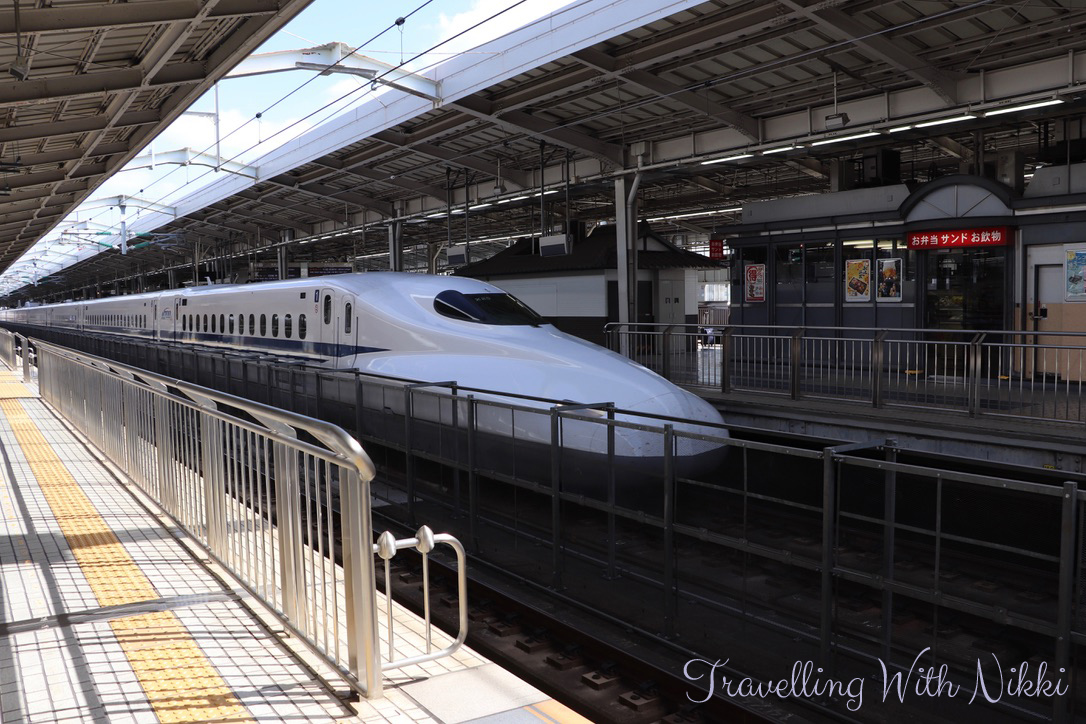
Take Cash and Lots of it to Japan
Unlike many other countries in the world, Japan is still a cash-based society and it is considered completely normal to carry around a large amount of cash with you everywhere. Notes come in ¥1000, ¥2000, ¥5000 and ¥10000 denominations and the coins are ¥1, ¥5, ¥10, ¥50, ¥100 and ¥500. You can pay for any amount in a shop with any size note and always remember to place your money on the small tray on the counter to pay and never count your change as it is considered rude.
If you need to use an ATM, not all machines will accept foreign cards so only use the machines at 7-Eleven, the Japan Post Office or in the arrivals hall at one of the international airports as there should be no issues at any of these. Credit cards are accepted at hotels, department stores, bigger shops and restaurants as well as theme parks such as Tokyo Disney Resort and Universal Studios Japan.
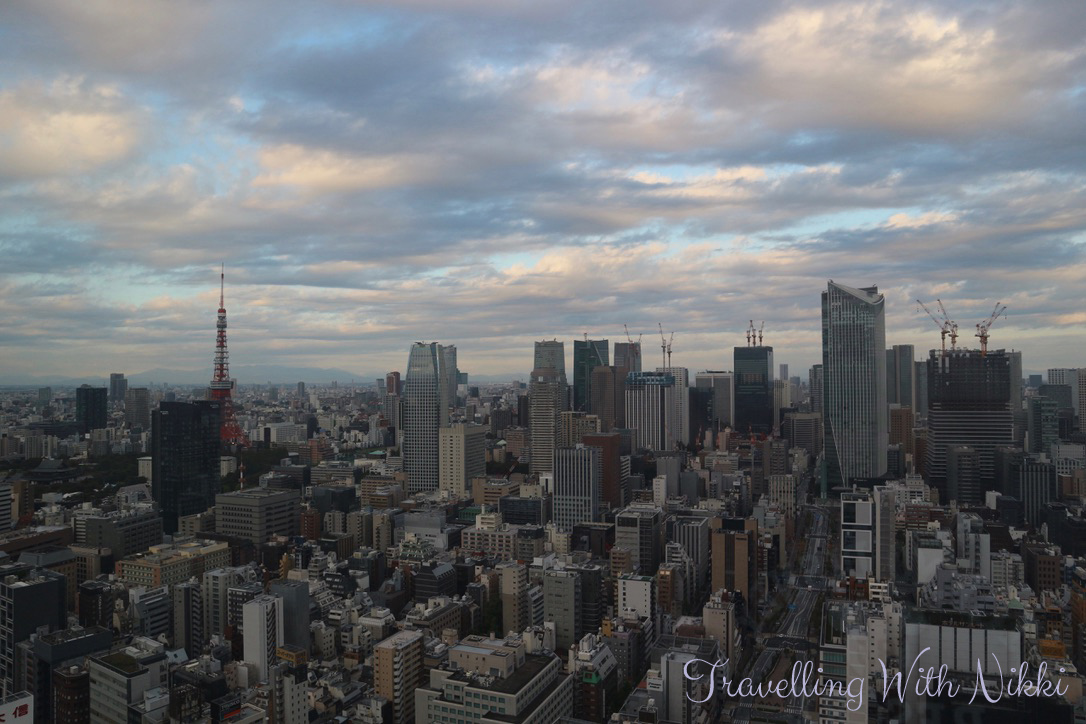

Use the Public Transportation in Japan
Everything you have heard about the public transport in Japan is true. It is highly efficient, clean, always runs on time to the second and is affordable – so much so that you should not ever need to pay for an expensive taxi ride unless it’s the middle of the night and the trains and buses have stopped running.
On some trains you will find “Reserved” and “Non-Reserved” carriages and most trains have no room for any large items of luggage with the exception of the Narita Express and Keisei Skyliner in Tokyo and the Haruka Limited Express in Osaka. On the Shinkansen, there is a small space behind the last row of seats in each carriage where you can stow a small amount of luggage – however from May 2020 when travelling on the Tokaido Shinkansen (between Tokyo, Kyoto and Osaka), you will need to make a specific seat reservation before travelling to be able to use this space. Packing light is a definite must on a trip across Japan as there is nothing more draining and annoying than pulling a heavy suitcase through a busy train station.
At each train station you will see lines on the ground of the platform (which usually correspond to where the doors are) where you should line up to get onto the train. When the train arrives, let passengers off first before boarding and do not push to the front of the line. Whilst on public transportation, keep your mobile phone on silent mode and do not talk loudly, make any calls or play music or games without headphones as to not disturb anyone else nearby. Some trains have power sockets (the voltage in Japan is 100V and they use the same two flat pin plug as the USA) but it’s a good idea to bring a powerbank with you to Japan just in case you need it.
Do not eat or drink on local trains however on long distance trains where each seat has a table, eating and drinking is perfectly acceptable – buying a picnic or bento box at the station before boarding the train is great fun and all part of the experience.

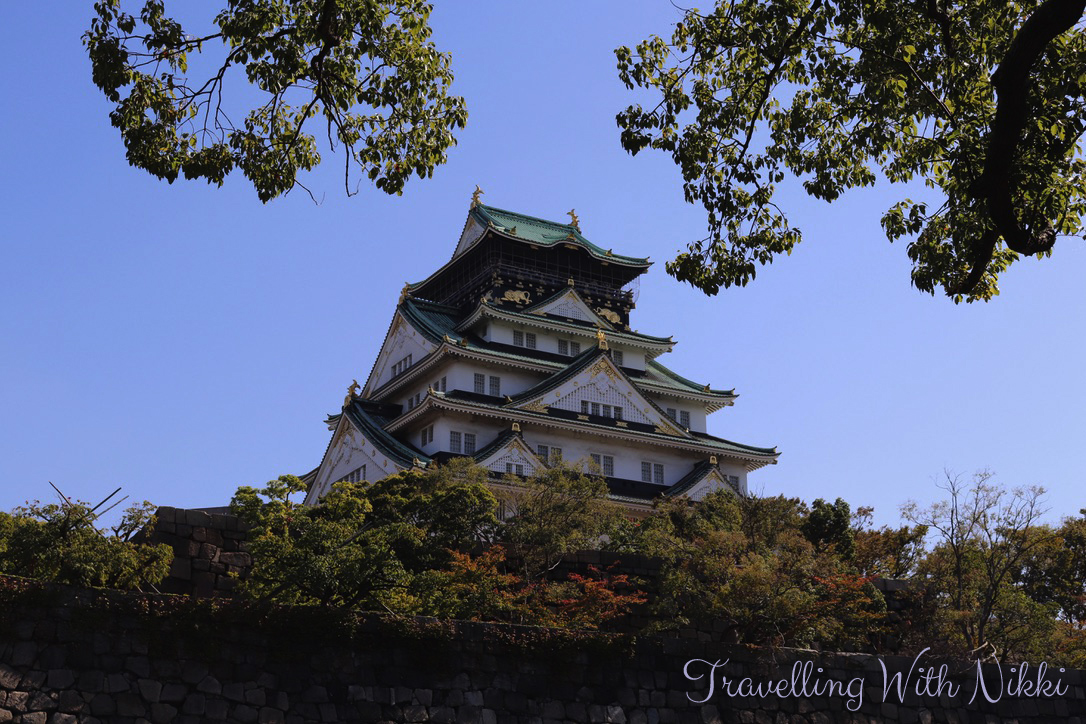
Buy an IC Card in Japan
An IC card such as Suica or Pasmo (in Tokyo) and ICOCA (in Osaka) to name a few is a reloadable card which can be used to pay for local trains, the metro, buses, vending machines (they are everywhere and offer everything), to rent lockers at train stations as well as being able to be used to pay in some shops such as convenience stores. They are one of the handiest items you can have in Japan as you will not need to continually find cash (and end up with a pocket full of change) each time you use the train or buy a drink or snack which could be many times each day. You can purchase and top up an IC card from the ticket machines at train stations (there is an English button) and there is a ¥500 deposit which is refundable if you return your card at the end of your trip or you can keep it and use it on your next visit.
The Japan Rail Pass
If travelling extensively whilst in Japan, one of the best things you can do is to purchase a Japan Rail Pass before you arrive in the country. The rail pass can be used on the JR Shinkansen trains (except for the Nozomi and Mizuho trains), JR Limited Express trains, JR Express trains, JR Rapid and Local trains, the JR Miyajima ferry, the Narita Express and the Tokyo Monorail. Whilst expensive it can save you a lot of money but depending on your plans whilst in Japan, it might not be the best option for you – I have written this blog post with all the information you need to know to help you decide whether to purchase a Japan Rail Pass or not for your trip.

Rent a Portable Wifi Device in Japan
Outside of your hotel room, Starbucks and McDonalds, there is very limited free wifi in Japan. So to save money on using your mobile data, rent a pocket mifi which you can order online and collect at the airport once you arrive in Japan. I have ordered one of these on every trip to Japan and they truly are a life saver as you will always have internet access wherever you are.
Handy apps to download before you get to Japan include Google Translate (the live image translation can be great for menus and for any signs you cannot read) and Google Maps and the Hyperdia website is a life saver when using public transportation – just remember to untick the “Nozomi/Mizuho” and “Private Railway” options if using a Japan Rail Pass.
There are Very Few Bins in Japan
Japan is one of the cleanest countries in the world and you will never see litter anywhere but the surprising thing is that if you look for a bin or a trashcan whilst out and about, you will struggle to find one as there are so few. The reason for this (and another handy thing to know) is people usually eat and drink what they have where they bought it and dispose of it there and then – there are always bins next to vending machines (only for bottles), inside convenience stores (for the use of customers) and next to food stalls.
Remember to stand or sit in one place if you are eating and drinking when outside and if you have rubbish, you will need to carry it around with you until you can dispose of it – either until you find a bin but most likely back in your hotel room.

Eating Out in Japan
Just writing the words “Gyoza”, “Katsu Curry”, “Okonomiyaki”, “Takoyaki”, “Tempura”, “Sushi” and “Udon” makes me incredibly hungry and there is nothing I love more than going out for lunch and dinner wherever I am in Japan.
Some restaurants do have English menus but if not they often have pictures on the menu which you can point to and there are usually intricate displays of plastic food that look incredibly realistic on display too. It’s worth noting though that unlike in many other countries, you cannot change or ask for the food to be altered so look for specialised restaurants if you have strict dietary requirements and there are also plenty of western restaurants if you are fussy and not adventurous with food.
Being vegetarian in Japan is difficult (but not impossible and constantly improving especially in the bigger cities) as many foods such as noodles are usually made with fish or meat stock and if vegan, there is also a lot of egg used. I did find a vegan ramen restaurant in Tokyo Station (near the entrance to the Keiyo Line) and the food was delicious so do your homework in advance and look up restaurants before you go out to eat.
If using chopsticks do not stab your food with them, pass food from chopstick to chopstick and never stand them upright in rice as this only happens at funerals. It is okay and considered good manners to slurp noodles and never pour soy sauce over cooked white rice as it is considered disrespectful. If you have sushi, pour some soy sauce into the small dish at the table and dip only the fish part (never the rice bit) into the sauce and if you have miso soup, you can sip it directly from the bowl. Once you have finished your meal, place your chopsticks back onto the chopstick rest when you have finished using them.
Convenience Stores are Awesome
Convenience Stores (also known as konbini) are everywhere you look in Japan with the most famous being 7-Eleven, Lawson and FamilyMart. The food offered is cheap and affordable, high quality and delicious and you can buy sandwiches, onigiri rice balls, bento boxes, soba noodles, instant noodles (you can also get hot water), desserts, crisps, sweets, hot drinks, cold drinks and even fried chicken! You can also buy alcohol which can be cheaper than paying for a drink in a bar or at your hotel.
You can also buy cheap umbrellas if it starts to rain, toiletries, gadgets, print photos, make photocopies, send letters and more – convenience stores are seriously amazing and can be a life-saver early in the morning or late at night (or even the middle of the night) when you need something.
If you do forget to bring anything else with you to Japan, 100 Yen Stores such as Daiso sell everything you could possibly think of and more – you will easily and happily spend a small fortune in there!

Japanese Toilets are the Best
After visiting Japan, a trip to the bathroom will never be the same again. Japanese toilets are incredible with heated toilet seats and so many buttons you can press to lift the seat, activate a flushing sound (to disguise any noises you make) as well as various water sprays – do not be afraid and make sure to press them all! They are that good that you will leave Japan wanting to know if you can bring one of these toilets home with you.
If there are no normal male or female signs (possibly in some bars and restaurants), two handy Japanese characters to know are 男 (Male) and 女 (Female) if you cannot work out which toilets are behind which door.
Always carry a small hand towel with you to dry your hands after washing them as some public toilets do not always have a hand dryer or paper towels available. This towel will also be useful to dry your hands after cleansing them at the entrance to shrines and temples.
When to Take Your Shoes Off in Japan
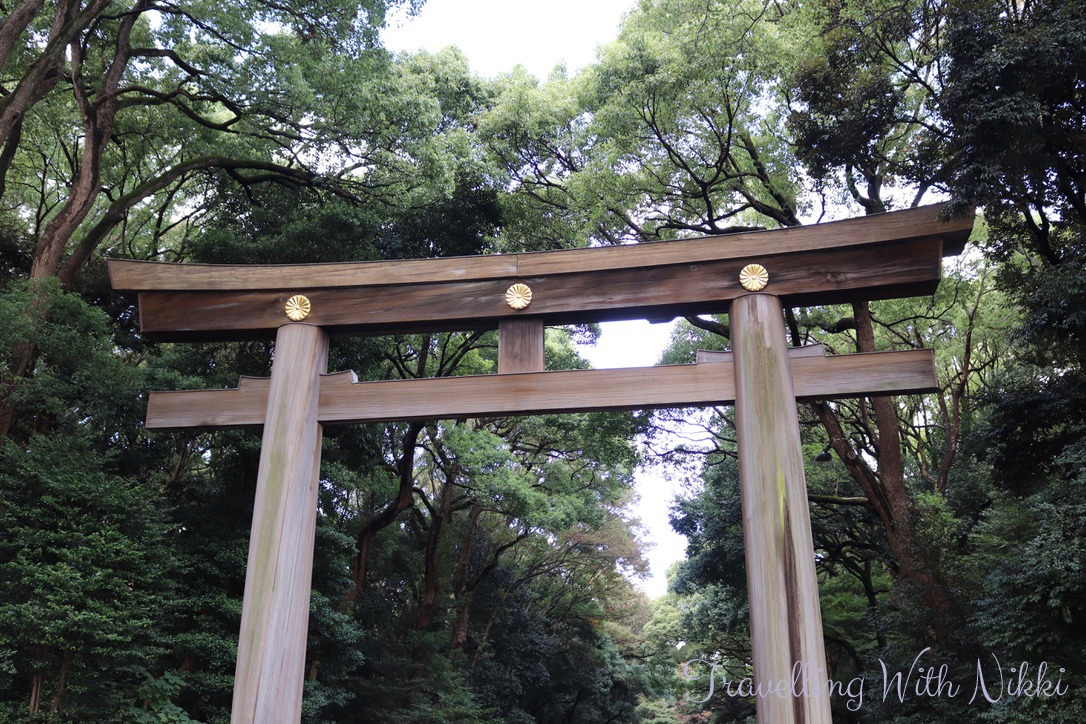
When visiting a Japanese home, ryokan, onsen and many other places including some restaurants, temples and shrines, you will need to remove your shoes before you can enter the premises as a sign of respect and you will normally be provided with a pair of slippers to change into. You will know that you need to remove your shoes if you see a raised step up from the entrance to the next level once inside the building, a shelf to store your shoes (or rows of shoes on the floor) or anywhere with tatami mats.
However never walk on tatami mats with slippers on – just wear socks (make sure they do not have holes and are clean) or go barefoot and leave the slippers at the entrance to the room. If you need to use the toilet, there will be a set of bathroom slippers provided to change into and for use only when in this room and nowhere else – just remember to change back into your other slippers at the door and never wear bathroom slippers anywhere else.
Other Japanese Etiquette
Do not blow your nose in public – wait until you are somewhere private but sniffing is okay.
Do not tip – it just does not exist in Japan.
Only cross the road at pedestrian crossings and only when the light is green even if there is no traffic.
Punctuality is important in Japan so do not be late. It is always better to be early than on time.
Do not smoke whilst walking along the street – there are designated outdoor smoking areas you can use. However many bars and restaurants (especially Izakayas) allow smoking inside.
Do not fill your own glass when out – wait for someone else to fill it and then fill theirs in return.
Always queue and wait your turn no matter where you are. In Japan everyone is considerate of each other and the emphasis is on everyone having the same experience.
If visiting someone’s home, always bring a small gift (called “Temiyage”) to show your gratitude. Food items are always a good idea and a thoughtful present could include sweets or biscuits local to where you live. Gifts in Japan are always beautifully packaged and wrapped – they are a work of art.
If ever in doubt as to what you should do, always look around and see what everyone else is doing and you cannot go wrong.
Other Handy Need to Knows in Japan
Make sure to wear comfortable shoes that you can take on and off easily – I unexpectedly walked over seventy miles in two weeks on my last visit!
At vending machines, any food or drink with a blue label next to the price will be served cold and anything with a red label will be served hot.
Some over-the-counter medications from your home country could be illegal in Japan (including cold medicines containing Pseudoephedrine and painkillers containing Codeine) so leave them at home and do not bring them with you.
Some tourist attractions can get very busy (especially at weekends) so either get there early in the day or visit late in the afternoon. If possible, book tickets (especially for theme parks) in advance to save having to queue up on the day.
If you want to go “Mario-Karting” on the streets of Japan, you will need to have an International Driver’s Permit (IDP).
Research the places you want to visit before you go – it will make everything so much easier and your trip stress-free.
You will leave Japan wondering why the rest of the world cannot be the same. It is an amazing and beautiful country with wonderful people and it truly has captured my heart in every single way. Even after reading all of this, the important thing when visiting Japan is do not worry. As long as you are respectful and polite and show consideration for others, you will be absolutely fine.
Since this blog post was written back in 2020, some of the information may no longer be accurate or up to date. Be sure to do your own research and check official websites for the latest details before making any of your own travel plans.
Support Me and Buy Me a Coffee
Pin this Blog Post on Pinterest
Follow Me on Instagram
Follow Me on Bloglovin’
One thought on “Travel Tips and Advice for Your First Trip to Japan”
Comment on this post
You might also like...
 How I Save Money to Travel the World
 How to Plan an Amazing Road Trip in the USA
 Visiting the Harukas 300 Observatory in Osaka
 How to Get to the Chureito Pagoda from Tokyo to see Mount Fuji
 How to Exchange Your Japan Rail Pass at Haneda Airport
 How to Get From Haneda Airport to Tokyo by Monorail
 Staying at the Tokyo Disneyland Hotel in a Grand Park View Room
 10 Common Sense Travel Tips
 Staying at the Tokyo DisneySea Hotel MiraCosta in a Porto Paradiso Harbor View Room
 Lost in Translation at the New York Bar – Park Hyatt, Tokyo


Helpful tips indeed, thanks for the sharing!